Introduction
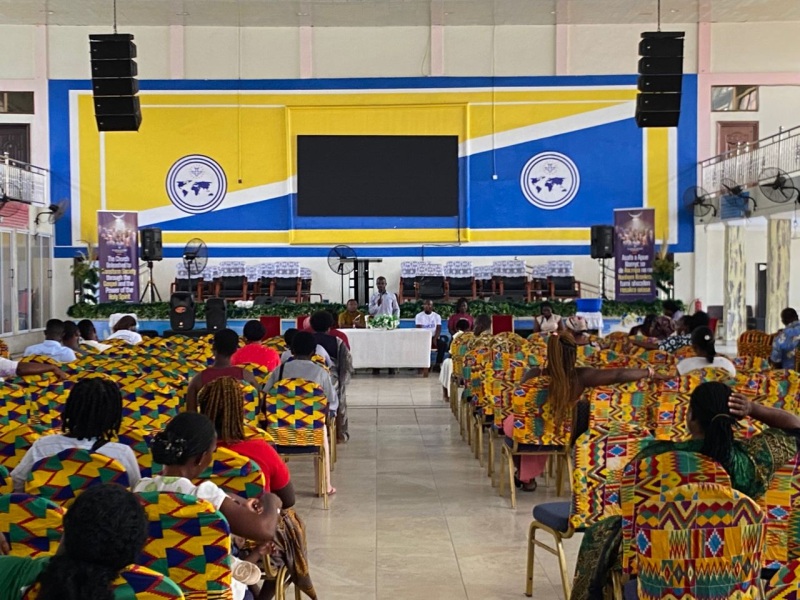
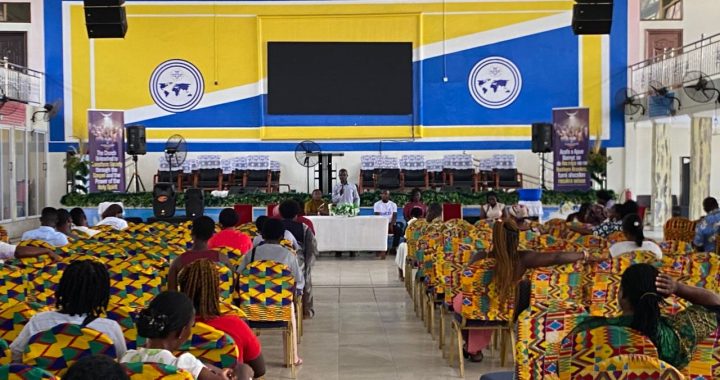
The Department of Social Welfare and Community Development organized a community sensitization program on child protection in Tarkwa na Aboso.
The program was held at two key community gathering points: the Church of Christ and the Parent-Teacher Association (PTA) meeting of the School of Pentecost.
Objectives
The primary objectives of the program were to:
· Educate parents, guardians, and community leaders on the rights and responsibilities of children.
· Increase awareness of child protection issues, including abuse, neglect, and exploitation.
· Empower community members with knowledge on how to report child protection concerns to the appropriate authorities.
Methodology and Tools Used
To ensure the information was accessible and engaging, facilitators used community facilitation tool kits, including:
1. The Maize Plant Analogy: This tool was used to explain the stages of child development. Facilitators illustrated how children, like maize plants, require a safe environment, proper nourishment, and care to grow into healthy and productive adults.
2. The Z-card: This is a pictorial counseling tool that helped illustrate child rights, abuse, and protection in a simple and visual way. The pictures transcended language barriers and encouraged discussion among participants.
Key Highlights of the Session
· Interactive Learning: The use of visual aids encouraged active participation from attendees, who were able to ask questions and relate the examples to their daily lives.
· Rights and Responsibilities: Participants learned about the basic rights of children (including the right to education, health, and protection) and the corresponding responsibilities of parents and the community to uphold these rights.
· Reporting Mechanisms: The program educated attendees on how to identify signs of abuse and the importance of reporting cases to the Department of Social Welfare or DOVVSU, rather than handling them silently at home.
Feedback and Outcomes
Feedback from participants was overwhelmingly positive. Key outcomes included:
· Increased understanding of child protection issues among parents and community leaders.
· Willingness from parents to engage more with teachers regarding the welfare of their children.
· Requests from church leaders for similar sessions to be held for youth groups and other congregations.
· Several participants expressed that they had previously been unaware of the formal channels for reporting abuse.
Challenges Encountered
· Time constraints limited the depth of discussion on some complex topics.
· Some participants requested additional materials in local languages for better understanding.
Recommendations
1. Follow-up Sessions: Organize follow-up sessions to address specific questions from the community.
2. Translation of Materials: Translate key messages and toolkits into major local languages for wider accessibility.
3. Expansion: Extend the program to other schools, religious bodies, and community gatherings in the district to ensure wider coverage.
4. Community Champions: Identify and train community volunteers to serve as child protection champions who can reinforce messages at the local level.
Conclusion
The sensitization program was a success, effectively using simple and interactive tools to convey complex messages about child protection. By bridging the gap between formal child protection systems and community-level understanding, stakeholders are now better positioned to safeguard the well-being of children. The Department will follow up on the requests received and work to expand the program to other areas.
Acknowledgement
The Department of Social Welfare and Community Development extends its sincere gratitude to the leadership of the Church of Christ and the School of Pentecost PTA for hosting the program, and to all community members who participated actively.